Livestock Vaccination Records: What to Log and How Long to Keep It
What to record for every livestock vaccination and treatment — withdrawal dates, lot numbers, and how long to keep the records.
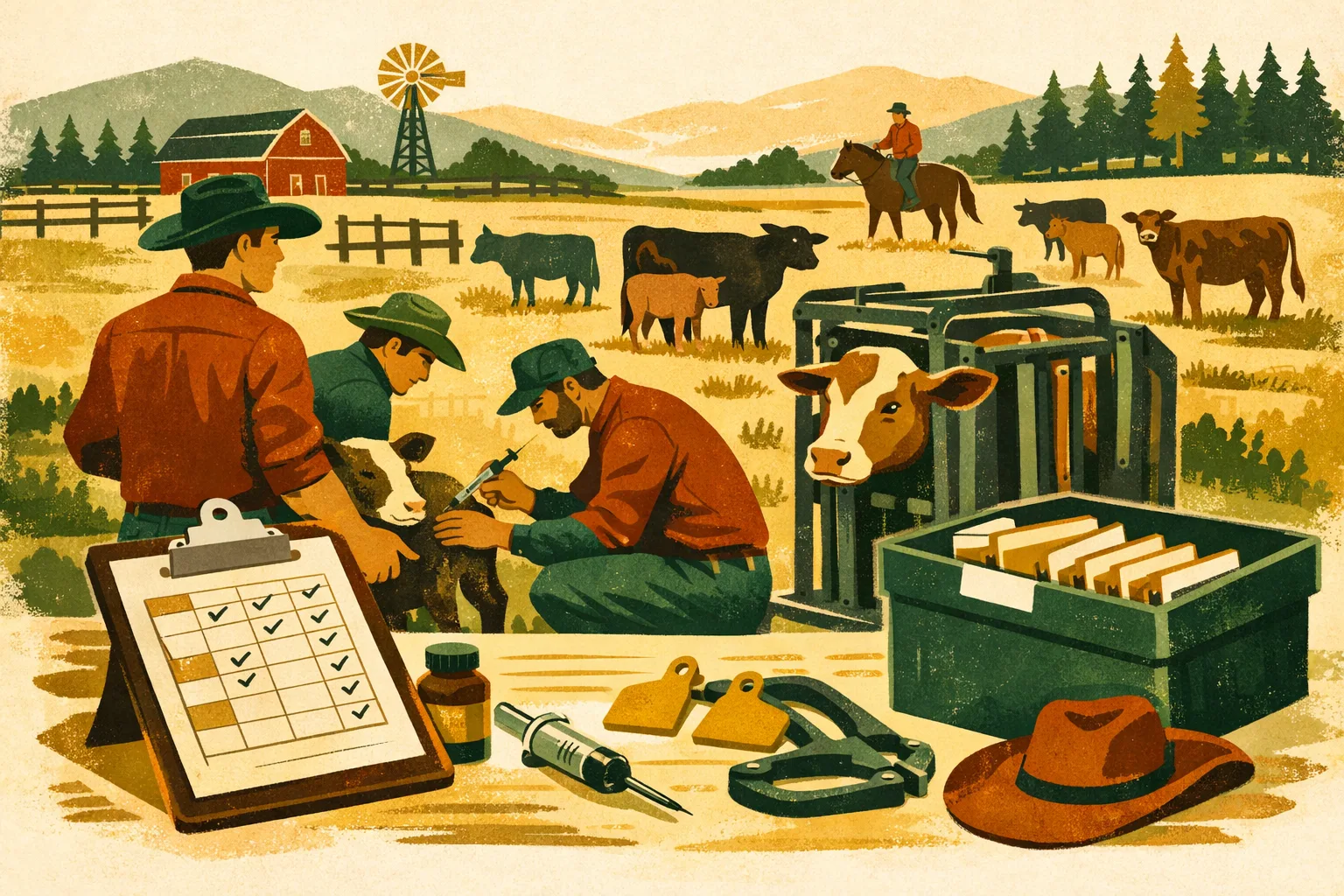
Vaccination is a cornerstone of effective livestock management, crucial for preventing diseases that can devastate herds and affect profitability. However, the process doesn’t stop at administering the vaccine; meticulous record-keeping is essential for ensuring compliance with industry standards, tracking health outcomes, and optimizing herd health strategies. This guide will walk you through what to log in your vaccination records, how long to keep this information, and how to stay aligned with industry standards like Beef Quality Assurance (BQA).
Why Vaccination Records Matter
Accurate vaccination records are not just about compliance; they provide a comprehensive picture of each animal’s health history, make it easier to track withdrawal periods, and assist in making informed management decisions. Moreover, they are indispensable tools for audits, sales, and maintaining transparency with stakeholders.
What to Include in Vaccination Records
When documenting livestock vaccinations, ensure your records are detailed and comprehensive. Here’s what you should include:
Animal Identification
- Unique ID Number: Use a consistent system such as ear tags or RFID chips.
- Species/Breed: Record the species and, if applicable, the breed of the animal.
Vaccination Details
- Vaccine Name and Type: Document the commercial name and the type of vaccine (e.g., live, attenuated, inactivated).
- Lot/Serial Number: Essential for tracking particular batches in case of recalls.
- Administration Date: Record the exact date the vaccine was given.
- Dosage: Note the amount administered.
- Route of Administration: Specify how the vaccine was given (e.g., intramuscular, subcutaneous).
- Location on Animal: Record where the vaccine was administered on the animal’s body.
Administrator Information
- Name of Administrator: The person who administered the vaccine.
- Credentials: Any relevant qualifications or certifications.
Withdrawal Period
- Withdrawal Time: Note when the animal will be safe for slaughter or milk production post-vaccination.
Additional Notes
- Side Effects: Any unusual reactions post-vaccination.
- Follow-up Requirements: Schedule for boosters or re-vaccinations.
Understanding Withdrawal Periods
Withdrawal periods are the timeframes required after administering a vaccine before an animal can be slaughtered for meat or its milk can be consumed. This ensures that any residues from the vaccine have dissipated to safe levels. Here’s what you need to know:
- Why It Matters: Ensures consumer safety and compliance with food safety regulations.
- How to Track: Clearly mark withdrawal periods in your records and set reminders for when they end.
Retention Rules: How Long to Keep Vaccination Records
General Guidelines
- Minimum Retention Period: Generally, keep vaccination records for at least three years. This duration can satisfy most legal and audit requirements.
- State and Federal Regulations: Be aware of specific retention requirements that may vary based on location and species.
Industry Standards
- BQA Recommendations: Align with Beef Quality Assurance standards, which emphasize maintaining accurate and accessible records for the duration of an animal’s life plus an additional two years.
Practical Considerations
- Digital Storage: Use digital solutions to store and organize records for easy access and backup security.
- Physical Copies: Retain hard copies as a backup, ensuring they are stored in a secure and organized manner.
Comparison Table: Manual vs. Digital Record-Keeping
| Aspect | Manual Records | Digital Records |
|---|---|---|
| Accessibility | Limited to physical location | Accessible from anywhere |
| Data Security | Risk of physical damage or loss | Secure with backups and access controls |
| Ease of Update | Time-consuming, prone to errors | Quick updates, automated alerts |
| Space Requirement | Requires physical storage space | No physical space needed |
| Cost | Low initial cost, high maintenance effort | Initial setup cost, lower long-term effort |
Checklist: Creating Effective Vaccination Records
- Set Up Identification System: Implement a consistent ID system for all livestock.
- Choose Record-Keeping Method: Decide between manual and digital or a combination.
- Template Design: Create a comprehensive template or use an existing digital solution.
- Training: Ensure all staff involved in vaccinations are trained in record-keeping.
- Regular Updates: Schedule regular updates and reviews of records.
- Backup Plan: Have a system in place for data backup and recovery.
- Compliance Check: Regularly check records for compliance with BQA and other standards.
How HerdFlo Helps
Managing livestock vaccination records can be daunting, but HerdFlo simplifies this process by providing an intuitive platform to track each animal’s health history, including vaccinations and treatments. With HerdFlo, you can easily log vaccination details, monitor withdrawal periods, and access records from anywhere. Automate reminders for follow-ups and ensure your records align with industry standards.
To streamline your herd management and ensure compliance, download the free HerdFlo app at herd.farmsflo.com. For comprehensive operation records, integrate with FarmsFlo at farmsflo.com. Start today and take the hassle out of vaccination record management.