A Simple Herd Health Log Your Vet Will Thank You For
Build a herd health log your veterinarian can actually use — per-animal symptoms, treatments, and outcomes that reveal patterns.
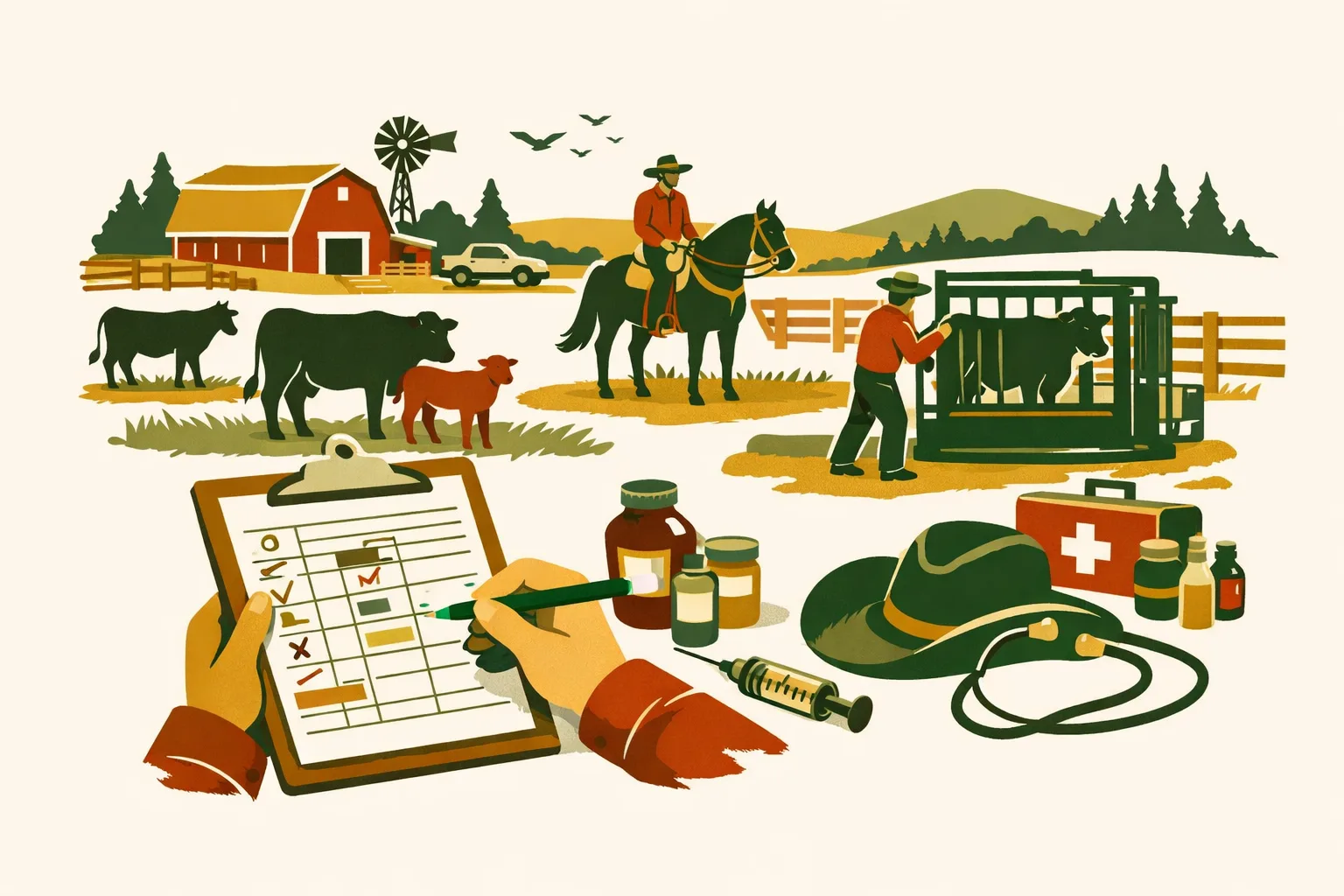
A Simple Herd Health Log Your Vet Will Thank You For
Maintaining a comprehensive herd health record is not only crucial for the well-being of your livestock but also a key factor in maximizing productivity and profitability. Whether you’re managing cattle, goats, sheep, or hogs, a detailed per-animal health log can greatly enhance your ability to track symptoms, treatments, outcomes, and recurring issues. A well-organized health log is an invaluable resource for both you and your veterinarian, ensuring timely and accurate treatment decisions.
Why Detailed Herd Health Records Matter
Maintaining detailed health records is not just a regulatory requirement; it’s a practical necessity for effective herd management. These records empower you to:
- Identify Health Trends: Recognize patterns in illnesses or responses to treatment.
- Improve Treatment Strategies: Adjust care based on past outcomes, leading to better animal health.
- Boost Productivity: Healthy animals are more productive, impacting your bottom line.
- Enhance Traceability: Quickly provide necessary information during audits or disease outbreaks.
- Strengthen Vet Relationships: Provide your veterinarian with detailed histories for informed consultations.
Building a Comprehensive Per-Animal Health Log
Essential Components of a Health Log
A detailed health log should include the following elements for each animal:
- Identification Information: Tag number, breed, age, and weight.
- Symptoms and Diagnosis: Document all observed symptoms and any diagnoses made.
- Treatment Records: Log all treatments administered, including medications, dosages, and administration dates.
- Outcome Tracking: Note the animal’s response to treatment and resolution of symptoms.
- Recurring Issues: Keep track of any recurring health problems for proactive management.
Steps to Create an Effective Health Log
- Set Up a System: Decide whether to use paper records or an electronic system. Ensure it’s easy to update and review.
- Regular Updates: Log observations and treatments immediately to ensure accuracy.
- Standardized Entries: Use consistent terminology and formatting for clarity.
- Secure Storage: Protect records from loss or damage, especially if using paper logs.
Sample Health Log Entry
| Attribute | Description |
|---|---|
| Animal ID | 1023 |
| Date | 2023-10-12 |
| Symptoms | Coughing, nasal discharge |
| Diagnosis | Respiratory infection |
| Treatment | Antibiotic XYZ, 10 mg/kg, administered once daily |
| Outcome | Improved within three days, symptoms resolved by day five |
| Recurring Issues | None reported since treatment |
Practical Checklist for Maintaining Health Logs
- Regularly update records with any new health data.
- Review logs monthly to identify patterns or emerging issues.
- Schedule regular health checks and document findings.
- Ensure all staff are trained in maintaining and accessing records.
- Back up digital records regularly.
Sharing Health Logs With Your Veterinarian
Benefits of Sharing Detailed Records
- Informed Decision-Making: Vets with access to detailed histories can make better treatment recommendations.
- Efficient Consultations: Pre-prepared records save time during vet visits, allowing more focus on treatment rather than gathering history.
- Improved Outcomes: Comprehensive data supports more accurate diagnoses and effective treatment plans.
How to Share Records Effectively
- Digital Sharing: Use electronic records to easily share via email or cloud services.
- Pre-Consultation Briefing: Send records ahead of scheduled visits to give your vet time to review.
- Regular Updates: Keep your vet updated with significant health developments or recurring issues.
Common Mistakes in Herd Health Record-Keeping
Avoiding Common Pitfalls
- Inconsistent Entries: Ensure that all data entries are consistent in format and detail to avoid confusion.
- Delayed Updates: Enter data promptly to maintain accuracy.
- Incomplete Information: Always fill out all sections of the log comprehensively.
- Unsecured Records: Protect records from unauthorized access or accidental loss.
Table: Paper vs. Digital Health Logs
| Criteria | Paper Logs | Digital Logs |
|---|---|---|
| Accessibility | Limited to physical access | Accessible anywhere with internet |
| Update Ease | Manual updates can be time-consuming | Quick and easy updates |
| Security | Risk of loss or damage | Secure with backups and access controls |
| Sharing | Requires physical transfer or scanning | Instant sharing via email or apps |
| Analysis Capability | Difficult to analyze data trends | Easy data analysis with software tools |
How HerdFlo Helps
The HerdFlo app (herd.farmsflo.com) is designed to simplify and enhance the process of maintaining herd health records. With HerdFlo, you can:
- Streamline Record-Keeping: Enter and access records from your phone or computer, ensuring data is always up-to-date and accessible.
- Automate Data Analysis: Quickly identify health trends and outcomes with built-in analytical tools.
- Secure Data Storage: Keep your records safe with cloud-based storage and regular backups.
- Facilitate Vet Collaboration: Easily share records with your veterinarian, enhancing communication and treatment planning.
For a comprehensive solution that integrates health logging with full-operation records, consider using FarmsFlo (farmsflo.com) alongside HerdFlo. Sign up today and experience the benefits of automated herd management.