5 Surprising Ways Dairy Cow Management Software Will Actually Revolutionize Your Herd by 2026
Discover five unexpected ways that innovative dairy cow management software can transform your herd's operations by 2026. From data tracking to productivity.
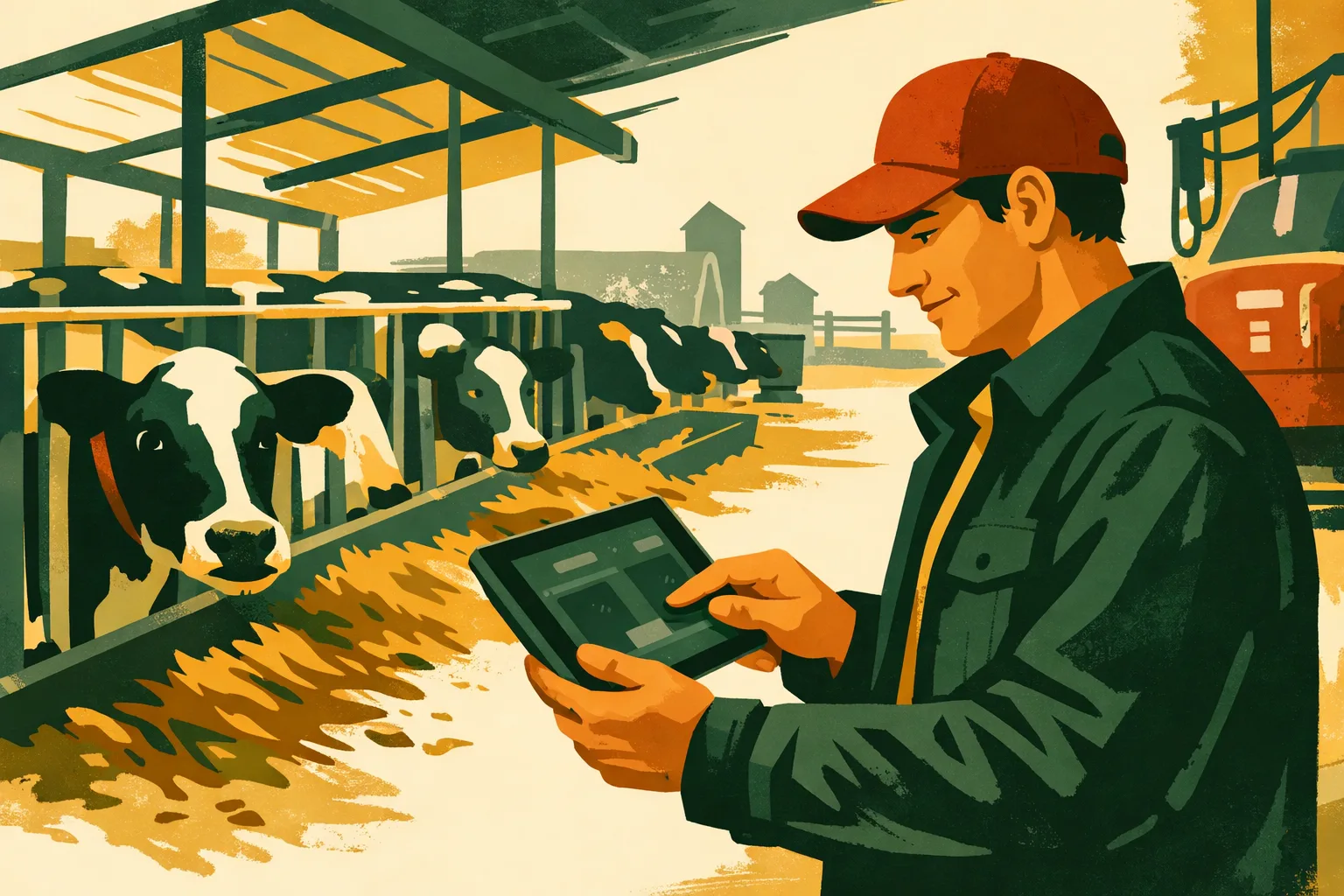
A missed heat, a delayed treatment, or a calf with no clear dam record does not look expensive at the moment it happens. The cost shows up later—in open days, discarded milk, extra labor, replacement uncertainty, or a breeding decision made with incomplete information. That is why the next wave of dairy technology is less about “going digital” and more about making herd decisions easier, faster, and more defensible every day.
Dairy cow management software is moving from a record storage tool to an operational command center. For commercial dairies, the value is not just having animal data in one place. The value is being able to act on that data before small issues become expensive problems.
Below are five practical ways modern software can change how dairy teams manage breeding, health, calving, milk performance, labor, and compliance through 2026 and beyond.
Why Dairy Cow Management Software Matters More Now
Dairy operations are under pressure from multiple directions: labor availability, higher input costs, tighter margins, animal welfare expectations, and increased documentation demands from processors, veterinarians, lenders, and insurers.
At the same time, most farms already create large amounts of data:
- Calving dates
- Breeding dates
- Pregnancy checks
- Health treatments
- Milk withholding periods
- Vaccinations
- Hoof trims
- Milk weights
- Cull reasons
- Death loss records
- Replacement heifer growth
- Pen moves
- Sire and dam histories
- Employee task notes
The problem is that this information is often scattered across notebooks, whiteboards, spreadsheets, text messages, vet invoices, parlor reports, and employees’ memory.
That creates three major risks:
- Delayed decisions because the right information is hard to find.
- Inconsistent work because different employees track events differently.
- Weak historical records because paper and spreadsheet systems break down over time.
Dairy cow management software solves these problems when it becomes part of daily workflow—not just an office tool used after the fact.
1. It Turns Breeding From a Calendar Task Into a Decision System
Breeding management has always depended on timing. But timing alone is not enough. Modern dairy breeding decisions need to account for production stage, reproductive history, health events, calving difficulty, genetics, body condition, and prior breeding outcomes.
Dairy cow management software can bring those factors together in one record so managers can make better reproductive decisions cow by cow.
From “Who Is Due?” to “Who Should Be Bred?”
Traditional breeding lists often answer one question: which cows are eligible or due?
That is useful, but incomplete. A cow may be due by days in milk, but she may also have:
- A recent metritis treatment
- A history of repeat breeding
- Low body condition
- A difficult calving
- A pending vet check
- Poor production compared with her group
- A planned cull status
- A genetic reason to use beef semen, sexed semen, or no service
A software-based breeding workflow can help separate cows into practical action groups:
| Breeding Management Method | What It Tracks Well | Common Weakness | Best Use |
|---|---|---|---|
| Paper calendar or barn board | Simple due dates and visual reminders | Easy to miss history, difficult to audit | Small daily reminders |
| Spreadsheet | Basic sorting and filtering | Manual updates, version issues, limited mobile use | Office-based reporting |
| Dairy cow management software | Cow history, breeding events, preg checks, alerts, sire records, team access | Requires consistent data entry and setup | Daily reproductive decision-making |
The shift is from “breed everything that comes due” to “breed the right cows at the right time with the right plan.”
Better Heat, Service, and Pregnancy Records
Breeding records only help when they are complete and consistent. At minimum, every dairy should track:
- Cow ID
- Service date
- Service type
- Technician or breeder
- Sire or semen type
- Heat observation notes
- Synchronization protocol details, if used
- Pregnancy diagnosis result
- Recheck date
- Open, pregnant, sold, culled, or do-not-breed status
When those records are entered into software, managers can quickly answer questions such as:
- Which cows are due for pregnancy checks this week?
- Which cows have been bred multiple times without conceiving?
- Which animals are open past the farm’s target window?
- Which semen types are being used in which groups?
- Which cows should not be bred again?
- Which heifers are approaching breeding age or weight?
This makes reproductive management more repeatable, especially when multiple employees, breeders, or veterinarians are involved.
Practical Setup: Breeding Rules to Build Into the System
For best results, define your breeding rules before entering them into software. Do not leave them vague.
Create farm-specific rules for:
- Voluntary waiting period
- Maximum services before review
- Pregnancy check timing
- Recheck timing
- Heifer breeding age and weight targets
- Do-not-breed criteria
- Beef-on-dairy criteria
- Sexed semen criteria
- Embryo transfer candidate criteria, if applicable
- Cow groups eligible for synchronization protocols
These rules make software alerts much more valuable. Instead of generic reminders, your team gets action lists that match your farm’s reproductive strategy.
Time and Cost Planning
A practical breeding setup usually requires:
- Initial record cleanup: 2–8 hours per 100 cows, depending on how complete current records are.
- Rule setup: 1–3 hours with the herd manager, breeder, and veterinarian.
- Daily use: 5–15 minutes to review alerts, depending on herd size and workflow.
- Weekly review: 20–60 minutes to evaluate open cows, preg checks, and rebreeding lists.
Costs vary by platform. Budget for subscription fees, possible data migration, staff training time, and any mobile devices needed in the barn. The biggest return usually comes from fewer missed events, clearer breeding lists, and reduced dependence on one person’s memory.
2. It Makes Health Records Useful Before the Next Vet Visit
Health records are often created because they are required. Treatment logs, drug usage records, withdrawal dates, vaccination history, and mortality records are all necessary for compliance and responsible animal care.
But when health records live in dairy cow management software, they become more than documentation. They become an early-warning system.
The Problem With Passive Health Records
A treatment written on a clipboard may satisfy the immediate need, but it often fails to support future decisions. For example:
- A cow is treated for mastitis, but her prior mastitis history is not checked.
- A lame cow is treated, but her hoof trim history is not connected.
- A fresh cow has a displaced abomasum, but her calving difficulty and transition events are not reviewed.
- A calf treatment is recorded, but there is no easy way to compare illness patterns by pen, dam, or birth date.
Passive records sit in storage. Active records trigger better management.
Health Event Tracking That Actually Helps
Useful dairy health records should include:
- Animal ID
- Date and time of observation
- Condition or diagnosis
- Symptoms or severity score
- Treatment product
- Dose
- Route of administration
- Person administering treatment
- Meat and milk withdrawal dates
- Follow-up date
- Outcome
- Veterinarian instructions, if applicable
- Related events such as calving, pen move, or recent transport
When this information is digital, the farm can generate daily health task lists:
- Cows needing retreatment
- Animals under milk withdrawal
- Animals eligible to return to the tank
- Cows needing vet checks
- Fresh cows needing observation
- Calves due for vaccines
- Animals with repeated disease events
This reduces the risk of missed follow-ups and makes shift handoffs cleaner.
Better Treatment Accountability
Commercial dairies need treatment accountability across employees. Software helps answer:
- Who treated the cow?
- What product was used?
- Was the dose correct?
- When does withdrawal end?
- Was the follow-up completed?
- Did the animal recover, relapse, die, or leave the herd?
This matters for animal welfare, milk quality, residue avoidance, and employee training.
If a treatment protocol is not producing the expected outcome, software records provide the evidence needed to discuss changes with the veterinarian.
Finding Patterns Earlier
A single case may not mean much. A pattern does.
With consistent records, dairy cow management software can help identify trends such as:
- Rising mastitis cases in one pen
- More retained placentas after a ration or facility change
- Lameness concentrated in a certain group
- Calf scours clustered by birth week
- Repeat respiratory problems in a housing area
- Higher treatment frequency after specific stress events
Managers do not need complex analytics to benefit. Even simple filtering by date, group, condition, or outcome can show where attention is needed.
Health Record Checklist
Use this checklist to tighten health record quality before moving deeper into software automation:
- Every animal has a unique, readable ID.
- All treatments are recorded the same day they occur.
- Drug name, dose, route, and withdrawal are always recorded.
- Milk and meat withdrawal dates are visible to the team.
- Follow-up dates are assigned for every treatment that requires one.
- Outcomes are recorded, not just treatments.
- Fresh cow checks are logged consistently.
- Calf health events are linked to dam and birth records.
- Vet protocols are stored where employees can access them.
- Employees are trained on who can enter, edit, or close health events.
- The farm reviews health trends at least monthly.
- Cull and death reasons are recorded in standardized categories.
A health system is only as strong as the records behind it. Standard categories, clear responsibility, and daily entry make the data useful.
3. It Connects Calving, Fresh Cow, and Replacement Decisions
Calving records are some of the most valuable records on a dairy. They influence cow health, calf management, replacement planning, reproduction, culling, and genetics.
Yet calving data is often incomplete because calving happens at inconvenient times. If software is not easy to use in the barn, employees may delay entry or skip details.
Modern dairy cow management software can make calving records faster to capture and easier to act on.
What a Complete Calving Record Should Include
A useful calving record should capture more than the date.
Track:
- Dam ID
- Calving date and time
- Calving ease score
- Assistance provided
- Calf ID
- Calf sex
- Stillbirth status
- Twin status
- Sire, if known
- Colostrum feeding record
- Dam health notes
- Fresh cow group assignment
- Post-calving treatment or observation needs
- Retained placenta status
- Metritis observation
- Milk start date
- Rebreeding eligibility date
This information supports immediate and long-term decisions.
From Calving Event to Fresh Cow Workflow
A good software workflow should automatically create tasks after calving, such as:
- Move cow to fresh group
- Assign calf ID
- Record colostrum feeding
- Schedule navel care
- Schedule fresh cow checks
- Monitor temperature or appetite, if part of farm protocol
- Record milk withholding if treatment was given
- Schedule breeding eligibility date
- Add calf to replacement inventory or sale list
The benefit is consistency. Every cow and calf should move through the same decision pathway unless the manager intentionally changes it.
Replacement Heifer Planning Starts at Birth
Replacement decisions are not made only at weaning or breeding age. They begin with birth records.
Software helps connect calf value to:
- Dam production history
- Dam health history
- Sire information
- Calving ease
- Twin status
- Colostrum record
- Early-life disease events
- Growth and weight records
- Breeding eligibility
- Genetic plan, if tracked
This is especially useful when deciding:
- Which heifers to raise
- Which calves to sell
- Which animals are candidates for sexed semen or embryo transfer programs
- Which cow families are producing the strongest replacements
- Which calves carry health or growth concerns early
For farms raising replacements off-site, digital records reduce communication gaps between the dairy and the grower.
Calving Season and Labor Planning
Even year-round calving dairies have busier windows. Software can help forecast:
- Expected calvings by week
- Heifers due to calve
- Cows needing close-up pen moves
- Calves expected by sex or sire type, where known
- Colostrum supply needs
- Fresh cow workload
- Maternity pen pressure
This helps managers schedule labor, bedding, vaccine work, calf space, and vet support more accurately.
Time and Cost Planning
For calving workflows, plan for:
- Initial setup: 2–4 hours to define calving codes, calf ID rules, and fresh cow tasks.
- Employee training: 30–60 minutes per employee who records calvings.
- Per-calving entry time: 1–3 minutes when mobile entry is available and fields are well designed.
- Weekly review: 15–30 minutes to check missing calf IDs, fresh cow issues, and expected calvings.
The cost of poor calving records is difficult to see immediately, but the operational impact is real. Missing calf IDs, unclear dam records, and skipped fresh cow tasks create problems that follow the animal for years.
4. It Gives Managers a Cleaner View of Herd Performance Without Waiting for Month-End
Dairy operators need timely information. Waiting until the end of the month to review herd performance can delay corrections in breeding, health, labor, and culling.
Dairy cow management software can help managers move from backward-looking reports to current operating visibility.
The Difference Between Records and Management Information
A record says what happened.
Management information helps decide what to do next.
For example:
- A breeding record says Cow 1842 was bred on March 4.
- Management information says she is due for pregnancy check, has had two prior services, and had metritis after calving.
- A health record says Cow 2331 was treated for mastitis.
- Management information says this is her third case this lactation and she is on the cull review list.
- A calving record says Heifer 710 calved unassisted.
- Management information says her calf should be added to the replacement group and the dam is eligible for fresh cow monitoring.
Software becomes valuable when it turns recorded events into action lists and decision flags.
Key Herd Performance Views to Monitor
Every dairy will have its own targets, but most commercial operations should review these categories regularly:
Reproduction
- Open cows by days in milk
- Cows due for breeding
- Cows due for pregnancy diagnosis
- Pregnant cows by expected calving month
- Repeat breeders
- Do-not-breed list
- Heifers approaching breeding eligibility
Health
- Active treatments
- Withdrawal status
- Fresh cow issues
- Mastitis cases
- Lameness cases
- Calf illness
- Death loss
- Treatment outcomes
Calving and Youngstock
- Expected calvings
- Calving difficulty
- Stillbirths
- Twins
- Colostrum records
- Calf treatments
- Weaning readiness
- Replacement inventory
Inventory and Culling
- Current herd inventory
- Pen or group lists
- Animals sold
- Cull reasons
- Death reasons
- Replacement pipeline
- Animals missing required records
Compliance and Traceability
- Drug usage
- Withdrawal records
- Vet protocols
- Animal movement records
- Sale records
- Identification records
- Employee treatment logs
These views should be available without rebuilding spreadsheets every week.
Using Dashboards Without Getting Distracted
Dashboards can be useful, but only if they drive action. Avoid building screens full of numbers no one uses.
For daily management, focus on:
- Today’s breeding tasks
- Today’s health tasks
- Animals under withdrawal
- Expected calvings
- Fresh cow checks
- Missing or incomplete records
For weekly management, focus on:
- Open cow review
- Preg check list
- Repeat breeders
- Health cases by category
- Cull candidates
- Replacement inventory
- Upcoming labor-heavy events
For monthly management, focus on:
- Reproductive performance
- Disease trends
- Cull and death reasons
- Replacement pipeline
- Protocol compliance
- Employee record completion
- Veterinarian review items
The most useful software setup usually starts simple and becomes more detailed after employees are comfortable entering data accurately.
Data Quality: The Hidden Driver of Software Results
No dairy cow management software can fix poor data discipline by itself. The farm must define what gets recorded, who records it, and when.
Use standardized codes for:
- Health conditions
- Treatment outcomes
- Cull reasons
- Death reasons
- Calving ease
- Breeding types
- Pregnancy status
- Pen moves
- Sale destinations
Avoid allowing every employee to create their own wording for the same event. For example, “mastitis,” “mast,” “bad quarter,” and “udder infection” may all refer to a similar problem, but inconsistent labels make reports unreliable.
Create a short data dictionary for your farm. It should define the exact categories employees use and when they use them.
Time and Cost Planning
Performance reporting setup usually requires:
- Data cleanup: 4–12 hours depending on herd size and existing record condition.
- Dashboard setup: 1–4 hours to choose views that matter.
- Weekly manager review: 30–90 minutes.
- Monthly veterinarian or consultant review: 30–60 minutes, if included in the farm’s management process.
The goal is not more reports. The goal is fewer surprises.
5. It Makes Labor More Consistent Across Shifts, Employees, and Locations
Many dairies are not limited by knowledge. They are limited by execution. The manager may know exactly what needs to happen, but the work must be completed by different people across different shifts.
Dairy cow management software helps turn management intent into repeatable tasks.
Why Labor Consistency Is a Herd Management Issue
Inconsistent labor affects animal outcomes.
Examples include:
- A cow gets treated but no one records withdrawal.
- A calf is born but the ID is assigned later from memory.
- A fresh cow is checked on one shift but not the next.
- A cow is bred but the sire is not recorded.
- A pen move happens but the group list is not updated.
- A follow-up treatment is missed because the note stayed on a clipboard.
These are not just clerical problems. They affect animal care, milk quality, breeding accuracy, and financial decisions.
Task Lists Create Accountability
Software-based task lists can assign work by:
- Date
- Employee
- Animal
- Pen or group
- Task type
- Priority
- Required follow-up
- Completion status
This helps managers see what has been completed and what is still open.
For example, a daily task list may include:
- Breed cows on today’s list
- Check cows due for pregnancy diagnosis
- Treat active mastitis cases
- Recheck cows after treatment
- Move close-up cows
- Enter overnight calvings
- Feed colostrum and record calf intake
- Verify animals under milk withdrawal
- Check lame cows scheduled for trim
- Review do-not-breed animals before service
When employees have clear lists, fewer tasks depend on verbal instructions.
Mobile Access Changes Barn-Level Record Keeping
The best record is the one entered when the work happens. Mobile access matters because it reduces the delay between action and documentation.
For commercial dairies, mobile-friendly software should support:
- Fast animal lookup
- Offline or low-connectivity use where possible
- Simple event entry
- Barcode, tag, or ID search options where available
- Photo or note attachments when useful
- Role-based employee access
- Clear task completion
- Quick review of withdrawal or treatment status
If employees have to walk back to the office to enter every event, records will lag. If records lag, accuracy drops.
Multi-Site and Team Communication
Dairy cow management software becomes even more valuable when animals or responsibilities are split across:
- Main dairy and heifer grower
- Calf facility and milking herd
- Multiple barns
- Multiple shifts
- Separate breeding technicians
- Outside veterinarians
- Custom heifer raisers
- Family members managing different departments
A shared system reduces duplicate entry and improves continuity.
For example:
- The calf team sees dam and birth information.
- The breeder sees do-not-breed and service history.
- The veterinarian sees treatment history before herd check.
- The manager sees incomplete records before they become problems.
- The office has accurate inventory and sale records.
This does not eliminate communication. It makes communication more specific.
Practical Implementation Action List
Use this action list to roll out dairy cow management software without overwhelming the team.
Week 1: Define the Purpose
- Identify the top three problems to solve first.
- Choose priority areas: breeding, health, calving, inventory, or task management.
- Decide who owns the software setup.
- List current record sources: notebooks, spreadsheets, parlor system, vet reports, whiteboards.
- Identify which records must be cleaned before import.
Week 2: Standardize Core Records
- Confirm animal ID format.
- Clean active herd inventory.
- Standardize cow, heifer, calf, sold, dead, and culled statuses.
- Create standard event categories.
- Define treatment and withdrawal recording rules.
- Define breeding and pregnancy status terms.
- Set calving and calf ID rules.
Week 3: Train the Team
- Train employees by task, not by software feature.
- Show how to enter a calving.
- Show how to record a treatment.
- Show how to complete a breeding task.
- Show how to check withdrawal status.
- Show how to update pen or group movement.
- Assign user permissions based on job role.
Week 4: Run Daily Lists
- Review daily breeding list.
- Review daily health list.
- Review expected calvings.
- Check active withdrawals.
- Review incomplete records.
- Fix errors immediately while the event is still fresh.
Weeks 5–6: Improve Reports
- Build weekly reproductive review.
- Build monthly health trend review.
- Build replacement inventory report.
- Build cull reason report.
- Review data quality with employees.
- Adjust fields that are too slow or confusing.
Ongoing: Keep It Clean
- Audit records weekly.
- Remove duplicate animals.
- Review missing sire, dam, or birth records.
- Close outdated tasks.
- Update protocols after vet changes.
- Review employee entry errors as training opportunities.
A phased rollout works better than trying to digitize every process on day one.
What to Look for in Dairy Cow Management Software by 2026
Not every platform fits every operation. The best system is the one your team will actually use correctly and consistently.
When evaluating dairy cow management software, focus on practical fit rather than feature count.
Core Features Commercial Dairies Should Prioritize
Look for software that can handle:
- Individual animal records
- Herd inventory
- Breeding and pregnancy tracking
- Calving records
- Calf and replacement tracking
- Health treatments
- Withdrawal records
- Vaccination history
- Cull and sale records
- Death loss records
- Pen or group movements
- Task lists and reminders
- Mobile access
- Employee permissions
- Reporting and filtering
- Data export
- Integration options, where needed
If a platform cannot handle daily barn work, it will become an office archive instead of a management tool.
Questions to Ask Before Choosing Software
Ask these questions before committing:
- Can employees enter records from the barn?
- How fast can a treatment or calving be entered?
- Can the system show animals under withdrawal clearly?
- Can breeding lists be customized to our protocols?
- Can we track heifers and calves as well as milking cows?
- Can we export our data if needed?
- Does the system support multiple users?
- Can we control who edits records?
- Can we track cull and death reasons consistently?
- How easy is it to correct mistakes?
- How much training will employees need?
- Can the system grow with our herd size and management complexity?
The right software should support your farm’s workflow, not force the farm into a confusing process.
Avoid These Common Mistakes
Dairies often struggle with software adoption for predictable reasons.
Avoid:
- Starting without clean animal IDs
- Importing old records without checking accuracy
- Giving every employee full editing access
- Creating too many custom categories
- Using vague treatment names
- Skipping employee training
- Failing to review missing records
- Tracking data no one will use
- Letting paper and software systems conflict
- Ignoring calf and heifer records
- Waiting until month-end to correct daily entry errors
The goal is not perfect data from day one. The goal is reliable daily habits that improve over time.
How Dairy Cow Management Software Supports Better Financial Decisions
Herd records are financial records. Every breeding, calving, treatment, death, cull, and replacement event affects the business.
Software can support financial management by helping operators understand:
- Which animals are productive enough to keep
- Which cows have repeated health costs
- Which animals should be bred again or marked do-not-breed
- Which heifers should be retained
- Which calves should be sold
- Which cow families are creating replacement value
- Which cull reasons are most common
- Which health events are driving labor and treatment costs
- Which animals have uncertain records and higher management risk
Dairy managers do not need software to make every decision automatically. They need software to present the right animal history before the decision is made.
Practical Cost Categories to Track
At minimum, consider tracking costs or cost-related events for:
- Health treatments
- Veterinary work
- Breeding services
- Semen type
- Calf treatments
- Death loss
- Cull sales
- Replacement purchases
- Milk withholding periods
- Labor-intensive repeat events
Not every dairy will track full cost accounting inside herd software. Some farms will connect herd records to accounting records separately. That is where full-operation tools like FarmsFlo can help connect livestock activity with broader farm business records.
The Management Shift Coming by 2026
The biggest change is not that dairies will have more data. They already do.
The shift is that herd data will become easier to use in real time.
By 2026, commercial dairies should expect software to support:
- Faster mobile entry
- Better task automation
- Cleaner health and withdrawal tracking
- More useful breeding decision lists
- Stronger calf-to-cow lifetime records
- Easier employee accountability
- Better visibility across locations
- More practical exports for veterinarians, consultants, lenders, and management teams
The dairies that benefit most will not necessarily be the largest or most technology-heavy. They will be the dairies that build consistent record habits and use software to support daily decisions.
Practical Daily Workflow Example
A well-run software workflow might look like this:
Morning
- Review fresh cow list.
- Check active treatment list.
- Confirm animals under milk withdrawal.
- Review expected calvings.
- Assign breeding and preg check tasks.
- Print or open mobile task lists for employees.
During the Day
- Employees enter treatments as they happen.
- Calvings are recorded before the calf leaves the maternity area.
- Breeding technicians update service records immediately.
- Pen moves are updated when animals move.
- Follow-up tasks are marked complete.
End of Day
- Manager reviews incomplete records.
- Withdrawal list is checked against milk handling.
- New calvings are verified.
- Tomorrow’s breeding and health tasks are reviewed.
- Any unusual events are flagged for the veterinarian or owner.
Weekly
- Review open cows and repeat breeders.
- Review fresh cow issues.
- Review calf illness and mortality.
- Review cull candidates.
- Check missing data.
- Update protocols or task rules if needed.
This type of workflow keeps herd records current and useful.
How HerdFlo Helps
HerdFlo is built for livestock producers who need clear, practical herd records without turning record keeping into another full-time job. For dairy operations, the free HerdFlo app helps you track the animal-level information that drives daily decisions:
- Cow and calf records
- Breeding events
- Pregnancy status
- Calving records
- Health treatments
- Withdrawal notes
- Vaccinations
- Herd inventory
- Cull and sale records
- Death loss records
- Task-focused herd activity
Instead of relying on scattered notebooks, spreadsheets, and memory, HerdFlo gives your team a central place to manage herd events and keep records organized.
If you want to start improving your dairy records now, set up your herd in the free HerdFlo app at herd.farmsflo.com. For producers who also need broader farm operation records beyond the herd, FarmsFlo at farmsflo.com supports full-operation management across the business.